Documentaries

Our documentaries as a tool for dialogue
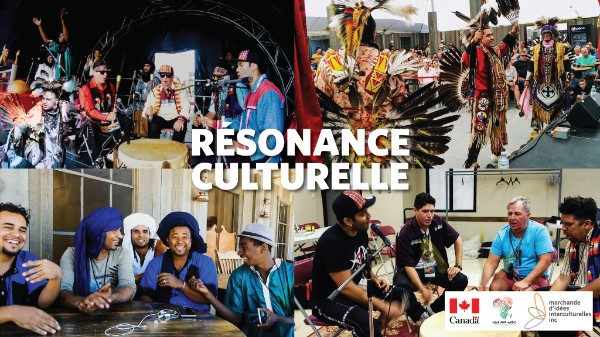
The documentaries and short films produced by La Boîte interculturelle aim to sustain projects and give back to the communities that inspire them. Each film becomes a tool for dialogue, a means of connecting with people, sharing their stories, and keeping alive, beyond the present moment, the bonds forged through our intercultural initiatives.
Documentary rental
One conviction: music brings people together. Period.
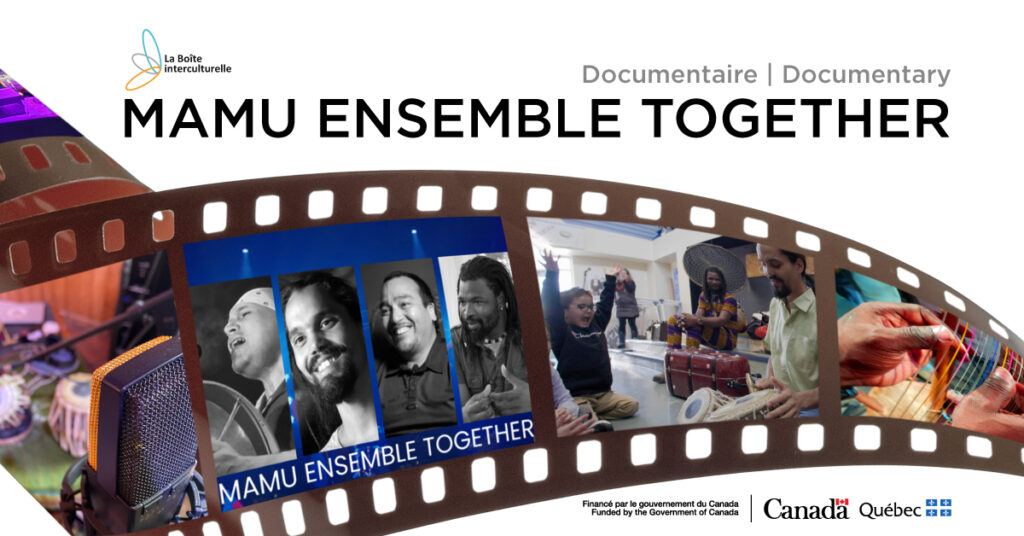
Discover Mamu Ensemble Together, a documentary made in Quebec that highlights music as a powerful tool for dialogue, encounter, and social transformation.
Through inspiring voices, rhythms, and journeys, the film shows what becomes possible when we choose to listen to one another. It celebrates the richness of our differences and the power of living together, right here, in our own backyard.
By renting here, you directly contribute to La Boîte interculturelle’s mission: every dollar is reinvested in projects carried out with communities.
you’re actively supporting projects that build bridges between cultures, generations, and regions.
Spread the word.
Gift yourself this experience Mamu Ensemble Together
Title: Mamu Ensemble Together
Languages: French and English
Duration: 50 minutes
Available formats: Vimeo
A simple and affordable way to make our documentaries accessible, whether for private or institutional viewing.
By choosing to rent the institutional option, you will also receive a screening guide designed to accompany your community discussions and activities.
A wonderful opportunity to explore, reflect, and build relationships—together.
Private viewing – $7.50
Personal access to the documentary.
Institutional viewing – $60
Access for groups, libraries, schools, or organizations, including the community viewing guide.
If you would like La Boîte interculturelle and/or one of the musicians from the Mamu Ensemble Together project to participate in a discussion, workshop, or presentation, please contact: [email protected] (additional costs may apply).
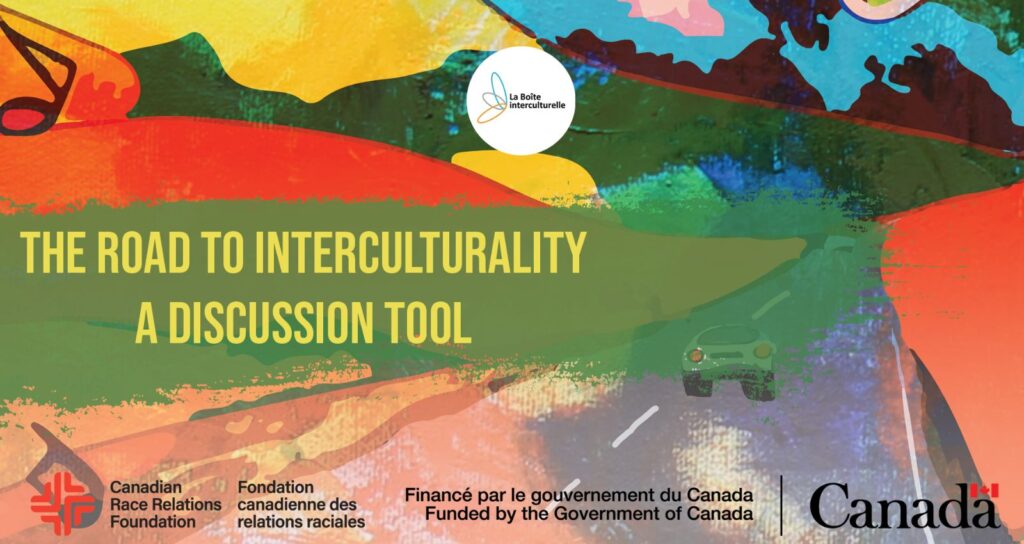
Gift yourself this experience The Road to Interculturality
Title: The Road to Interculturality
Languages: French (English available)
Duration: 57 minutes
Available formats: Vimeo
A simple and affordable way to make our documentaries accessible, whether for private or institutional viewing.
A wonderful opportunity to explore, reflect, and build relationships—together.
Private viewing – $7.50
Personal access to the documentary.
Institutional viewing – $60
Access for groups, libraries, schools, or organizations, including the community viewing guide.
If you would like La Boîte interculturelle and/or one of the musicians from the Mamu – Ensemble Together project to participate in a discussion, workshop, or presentation, please contact: [email protected] (additional costs may apply).
Documentaries Produced
Fields of Artists
The Road to Interculturality (2023)
Mamu Ensemble Together (Documentary)